
Uncategorized
Dutch Grand Prix Understanding Bookmakers and Their Odds
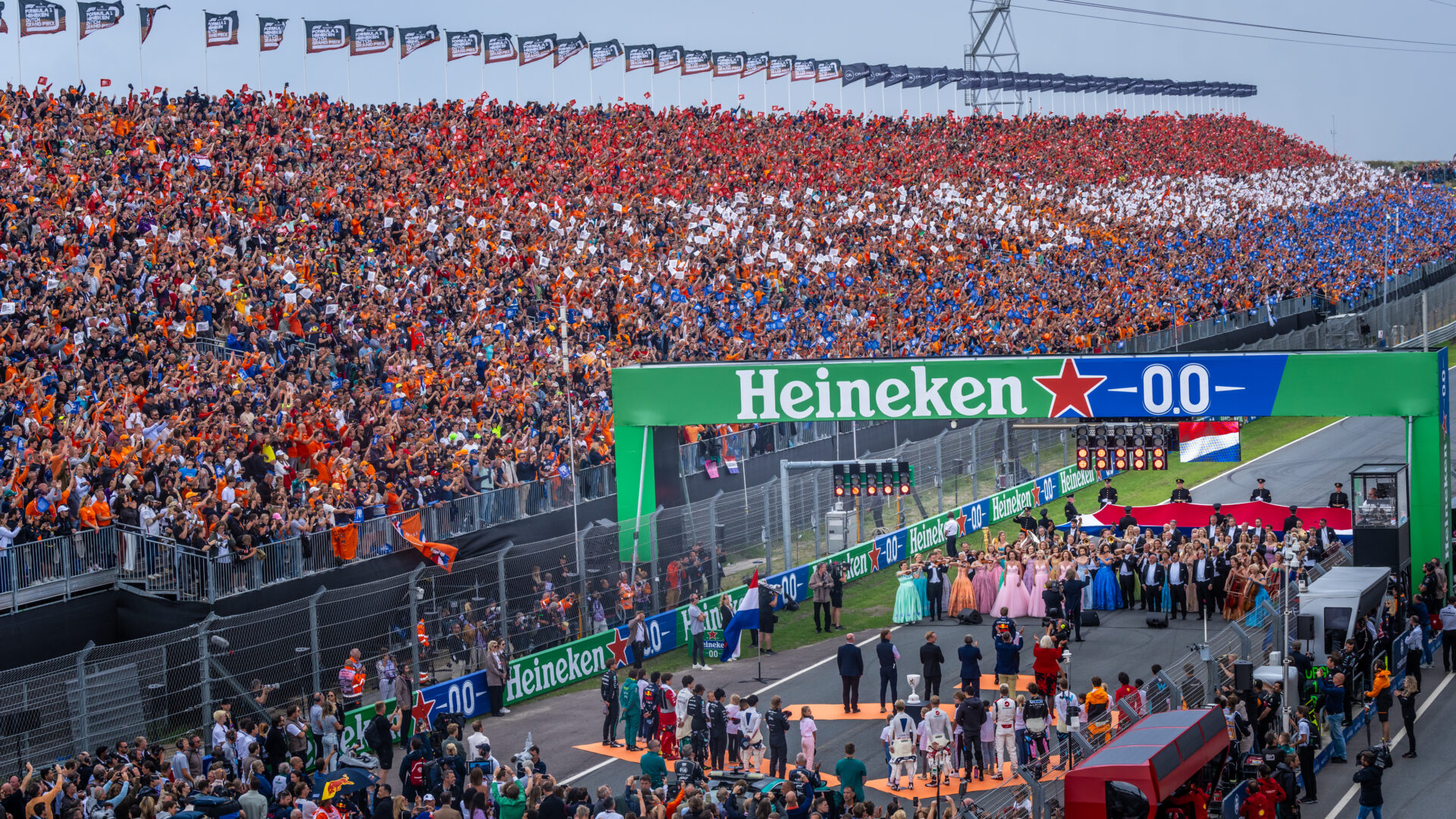
As the excitement builds around the annual Dutch Grand Prix, fans and bettors alike are keen to understand the intricacies of this spectacular event. One key aspect that defines how individuals engage with the race is the role of bookmakers. In this analysis, we’ll delve into how bookmakers assess the event and set their odds while exploring how this influences the betting landscape. It’s a thrilling time for Formula 1 enthusiasts, and whether you’re a seasoned bettor or new to the sport, understanding the mechanisms behind the odds can enhance your experience. For enthusiasts looking for a comfortable spot to watch the races and engage in discussions, Dutch Grand Prix Bookmakers Not On Gamstop thegoodintentpub.co.uk is a fantastic venue that captures the spirit of Formula 1.
The Dutch Grand Prix: A Brief Overview
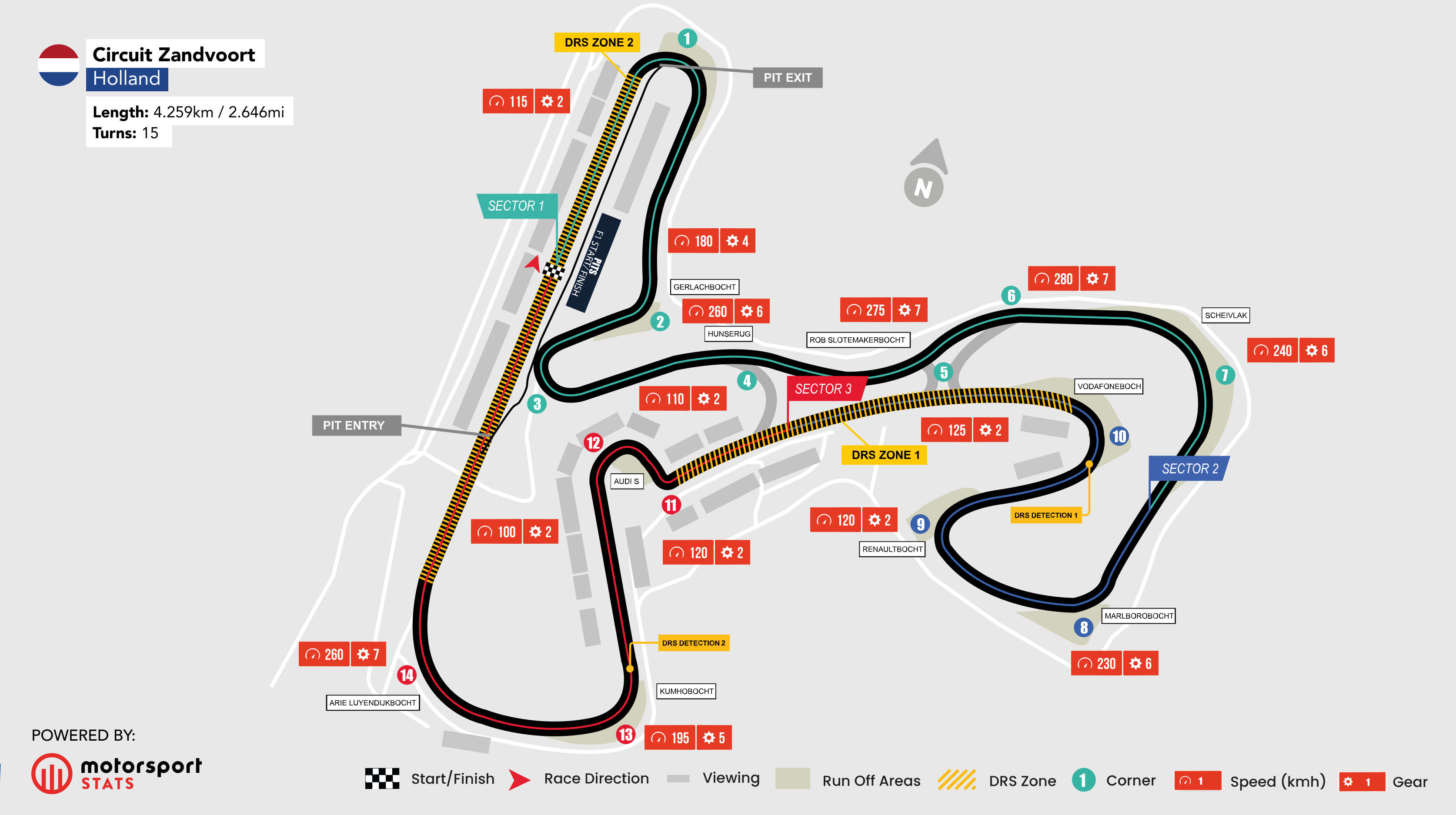
Returning to the Formula 1 calendar in recent years, the Dutch Grand Prix held at the iconic Zandvoort Circuit offers a mix of tradition and modern racing. Nestled by the North Sea, Zandvoort has hosted numerous races since the 1950s, making it a cherished venue within the F1 community. The backdrop of sandy dunes and a passionate local crowd adds to the unique atmosphere. In addition, the race’s return has re-energized Dutch motorsport fans, particularly with the rise of homegrown talent like Max Verstappen.
Bookmakers and Their Role in Formula 1 Betting
Bookmakers play a crucial role in shaping the betting experience around the Dutch Grand Prix. Their primary function is to provide odds, which reflect the likelihood of various outcomes during the race. These odds not only represent the potential winnings for bettors but also indicate the bookmaker’s assessment of each driver and team’s chances of success.
How Odds are Set
The process of setting odds involves a combination of statistical analysis, historical data, and expert opinions. Bookmakers analyze previous performances, car capabilities, driver skill levels, and even track conditions to formulate probabilities for different outcomes.
In the lead-up to the Dutch Grand Prix, bookmakers will adjust their odds based on various factors, including qualifying results, practice sessions, and pre-race interviews. For example, if a driver shows exceptional speed in practice, their odds may shorten significantly. Conversely, if a highly favored team encounters technical issues, their odds may lengthen, reflecting a decreased chance of winning.
Types of Bets Available
In addition to straightforward bets on race winners, bookmakers offer a variety of betting options for the Dutch Grand Prix. Some of the common types include:
- Outright Winner: Betting on who will win the race.
- Podium Finish: Betting on whether a driver will finish in the top three.
- Fastest Lap: Wagering on who will record the fastest lap time during the race.
- Head-to-Head: Betting on who will finish higher between two specified drivers.
- Finishing Position: Wagering on a specific driver’s finishing position.
Understanding Value Bets
One of the essential concepts in betting is finding “value bets.” A value bet occurs when a bettor identifies a discrepancy between their own estimation of a driver’s chances and the odds offered by the bookmaker. For instance, if a driver has 10/1 odds (which suggest a 10% chance of winning), but you believe they have a 15% chance based on your research, it represents a potential value bet.
Successful bettors often look for edges in the odds provided by bookmakers. This can involve deep research, analyzing performance trends, understanding the psychological factors at play, and considering external impacts, such as weather conditions on race day.
The Impact of Betting on Fan Engagement
Betting on events like the Dutch Grand Prix significantly enhances fan engagement. Looking to predict outcomes stirs excitement among viewers, who might otherwise just passively watch the race. Betting brings an additional layer of investment into the event, transforming it into an interactive experience.
Moreover, with many bookmakers now providing live betting options, fans can engage with the race in real-time. Odds shift throughout the event based on performance, leading to further excitement as avid fans place live bets during the race.
Challenges and Risks of Betting
While betting can amplify the enjoyment of a sporting event, it also comes with challenges and risks. Bettors should be aware of the potential for loss and ensure they implement responsible gambling practices. Setting budgets, staying informed, and acknowledging the unpredictability of motorsport outcomes are vital for positive betting experiences.
Additionally, understanding when to walk away is crucial. The thrill of betting can sometimes cloud judgment, leading to impulsive decisions. Building a strategy focused on research and careful analysis, rather than sheer emotion, can help mitigate potential losses.
The Bottom Line
The Dutch Grand Prix is more than just a thrilling race; it represents an opportunity for bettors to engage with the sport on a deeper level. Understanding the role of bookmakers, how they set odds, and the variety of betting options available can make the experience even more enjoyable. With proper research and responsible practices, fans can not only cheer for their favorite drivers but also find excitement in the betting process.
As you prepare for the next Dutch Grand Prix, whether you’re at a pub, home, or somewhere else, take time to consider how you might approach the betting landscape. Engaging with this aspect can bring a whole new dimension to the race day experience. Happy betting!
