
Uncategorized
What Exactly Is a Global eSIM and How Does It Work?
Global eSIM Explained: How One SIM Card Connects You in Over 200 Countries
A single global eSIM can hold multiple mobile profiles at once, yet it takes up less space than a grain of rice. Instead of swapping plastic SIM cards when you travel, you simply download a new carrier profile directly to your phone’s embedded chip. This lets you switch networks in seconds, keep your original number active, and pay only for the data you actually need—all without ever visiting a store. To use it, just scan a QR code or tap a carrier app, and your device is ready for the world.

What Exactly Is a Global eSIM and How Does It Work?
A global eSIM is a single embedded SIM card in your phone that lets you download multiple carrier profiles, each covering a specific region or country. Unlike a physical SIM, you don’t swap anything—you just scan a QR code or tap to install a data plan. When you travel, the eSIM connects to local networks through agreements with partner carriers, so you get coverage without buying a new SIM abroad. It works by storing your profile’s authentication keys directly on the chip, and your device switches between carriers based on your active plan. You manage everything through an app or your phone’s settings, turning data on or off instantly. Activation takes under five minutes, usually with zero physical setup. The catch is that you’re paying for convenience—plans are often pricier than local prepaid SIMs, but they save you the hassle of hunting down a store. Once installed, the global eSIM works exactly like your regular data connection, just without the roaming bill.
The Simple Mechanics Behind Switching Networks Without a Physical Card
Switching networks with a global eSIM is pure software logic: your device holds multiple operator profiles, but only one is active at a time. When you select a new carrier in your settings, the eSIM’s chip simply swaps the active profile’s credentials—like an IMSI and authentication keys—into the modem’s secure element. This instant profile swapping mechanism triggers a fresh network registration, bypassing any physical SIM tray. The old profile stays dormant, ready to reactivate. No card ejection, no waiting for a delivery, no fumbling with a paperclip—just a tap in the menu to re-authenticate with a local tower and start roaming on the new operator’s signal.

- Each profile contains unique authentication data, but only one is “live” at any moment.
- Network selection uses the same standard handshake as a physical SIM, just executed via software commands.
- Switching back is instant because the dormant profile retains its original settings and keys.
Why Your Phone’s Built-In eSIM Slot Changes Everything for Travelers
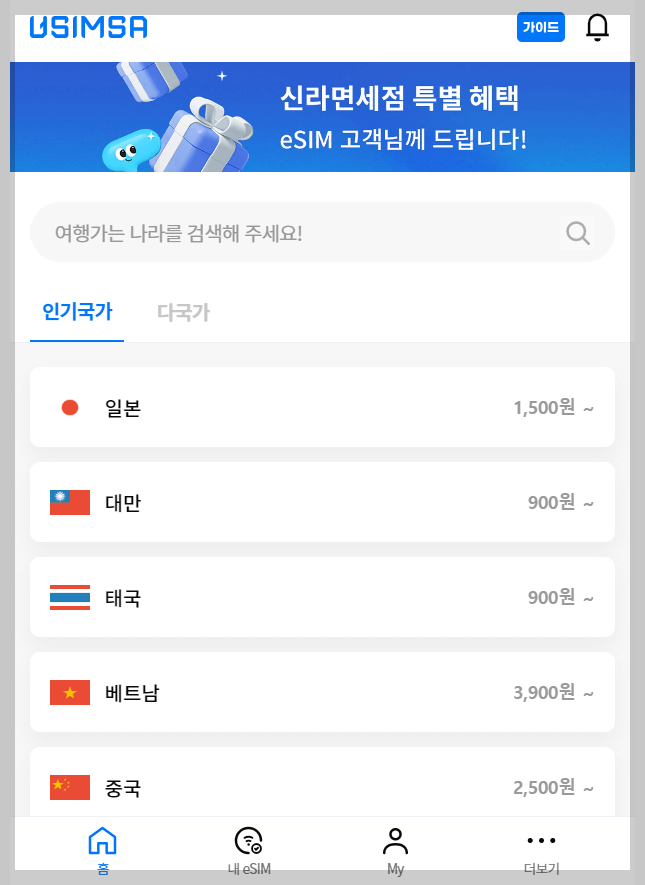
The built-in eSIM slot in modern phones is the reason a global eSIM for travel feels truly seamless. Instead of hunting for a physical SIM card at an airport kiosk or risking damage to a tiny tray, you simply scan a QR code from a provider before you leave home. Your phone holds the new carrier profile as a digital file, letting you activate a local data plan in seconds the moment you land. Because the slot is embedded, you can also keep your primary physical SIM active for calls or banking codes while using the eSIM solely for data, eliminating roaming bills without sacrificing your home number.
How Do You Set Up and Activate a Worldwide Data Plan?
To set up a worldwide data plan with a global eSIM, first confirm your smartphone is carrier-unlocked and eSIM-compatible. Purchase a plan from a provider offering global coverage, then scan the QR code or manually enter the activation details sent to your email. Install the eSIM profile in your device’s cellular settings. To activate the data plan, enable the eSIM line and set it as your default for cellular data. Ensure data roaming is turned on, as global eSIMs rely on roaming agreements. Finally, restart your device and test the connection. This process typically takes under ten minutes, and the plan activates immediately upon connection.
Scanning a QR Code vs. Manual Installation: Which Method Is Faster?
When setting up a global eSIM, scanning a QR code is the fastest method by far, typically finishing in under two minutes. You simply open your phone’s camera, point it at the provided code, and tap the pop-up prompt—the profile downloads and activates automatically. Manual installation, however, requires you to navigate into cellular settings, locate the “add eSIM” option, and carefully type a lengthy 20-digit activation code alongside an SM-DP+ address. That process alone eats up five to seven minutes and invites typos, especially on smaller phone keyboards. While manual entry remains a reliable backup if your QR code is blurry or missing, the speed difference is decisive: scan when you can, type only when forced.
How to Check If Your Smartphone Is Compatible Before Buying
Before purchasing a global eSIM plan, verify your smartphone’s compatibility by checking its SIM-free status and eSIM hardware. First, dial `*#06#`—if an EID number appears, your device has an embedded eSIM chip. Next, confirm your phone is carrier-unlocked; a locked device rejects foreign eSIM profiles. Visit your manufacturer’s official specifications page and search for “eSIM support,” ensuring your exact model and region variant match, as some dual-SIM versions lack eSIM. Finally, test with a free trial eSIM from a provider like Airalo before committing financially.
**Q: How do I check if my smartphone is compatible before buying?**
A: Use the `*#06#` dial code to reveal your EID, confirm carrier unlock status, and cross-reference your model variant on the manufacturer’s site—this takes under three minutes.
Carrier unlocking is the most overlooked prerequisite; even an eSIM-equipped phone fails if network locks persist.
What Are the Real Cost Savings Compared to Traditional Roaming?
Real cost savings with a global eSIM come from bypassing carrier-per-day roaming fees, which often charge $10–$15 daily for a sliver of data. Instead, you buy data packs at local or regional rates, typically cutting your bill by 50–80% on a typical two-week trip. You avoid surprise overage charges because your eSIM balance is prepaid New Zealand eSIM and transparent, and you can switch to a cheaper local plan mid-journey without physical SIM swaps. This means you only pay for what you actually use, rather than subsidizing a carrier’s inefficient roaming agreements. The most dramatic savings appear on multi-country trips, where a single regional eSIM costs a fraction of separate daily roaming fees per nation. Frequent travelers save hundreds of dollars annually by eliminating that daily fee entirely, even on light usage days. However, the true value hinges on your data discipline, since heavy streaming can still consume a prepaid allowance faster than you’d expect.
Breaking Down Data Package Pricing: Pay-Per-Gig vs. Unlimited Plans
When comparing global eSIM plans, the pricing structure hinges on whether you pay per gigabyte or buy an unlimited package. Pay-per-gig models offer precise control, letting you purchase only the data you anticipate using—ideal for light travelers who rely on hotel Wi-Fi. Unlimited plans, conversely, simplify budgeting by removing overage anxiety, though they often throttle speeds after a usage threshold. A key consideration is that pay-per-gig eSIM data offers more predictable per-megabyte costs, whereas unlimited plans charge a premium for convenience, making them cost-effective only for heavy streamers or remote workers. For a two-week trip, calculate your average daily consumption to decide which tier delivers better value.
- Pay-per-gig allows top-ups only when needed, avoiding prepaid waste.
- Unlimited plans typically cap high-speed data at 5–10 GB before slowing.
- Per-gig pricing is usually cheaper per GB, but minimum purchase sizes can skew value.
- Unlimited suits multi-country trips where tracking usage across borders is cumbersome.
Hidden Fees to Watch For: Currency Conversion and Top-Up Charges
The advertised data rate often masks the true cost of a global eSIM, so scrutinize currency conversion and top-up charges before you buy. If the plan is priced in USD or EUR but your card is in another currency, your bank may apply a 2–3% foreign transaction fee on top of the eSIM provider’s own conversion markup—check both layers. Similarly, top-ups are rarely free: some providers add a service fee per reload, while others require a minimum purchase that exceeds your actual need, wasting credit. To avoid surprises:
- Confirm whether your card’s issuer charges a foreign transaction fee on eSIM purchases.
- Review the provider’s conversion rate against the mid-market rate to spot hidden spreads.
- Read the top-up policy for reload fees, minimum amounts, and expiration dates on unused credit.
A low per-GB price is meaningless if you lose 15% of it to conversion and reload surcharges on every transaction.
How to Choose the Right Global Coverage for Your Travel Route
Start by listing every country on your route, then check each against the eSIM’s coverage map—don’t assume “global” means everywhere. For multi-country trips, prioritize a plan that bundles regional zones (like Europe or Asia-Pacific) rather than paying per-country fees, which adds up fast. If you’re hopping between remote areas or islands, verify that the eSIM uses local partner networks in those specific spots, not just major cities. Always compare data allowances per day against your actual usage—streaming maps or video drains faster than texting. Quick tip: if your route includes a layover in a third country, even for hours, ensure the plan includes that nation, or you’ll face surprise roaming charges. Finally, pick a plan with easy top-up options, so you can adjust mid-trip if one leg needs more data.
Regional Plans vs. Worldwide Passes: Matching Coverage to Your Itinerary
Choosing between a regional plan and a worldwide pass hinges entirely on your route’s geography. If you’re hopping across neighboring countries—say, a multi-stop rail trip through France, Germany, and Switzerland—a regional eSIM typically delivers far better per-gigabyte value than a global package. Conversely, a worldwide pass shines for scattered, intercontinental journeys, like flying from Japan to Brazil to South Africa, where buying separate regional SIMs becomes a logistical headache. Always audit your destination list against the provider’s coverage map, because “regional” can mean continents or mere clusters. For one-off trips, a worldwide pass offers instant flexibility; for repeated or long-stay travel in one zone, regional wins on cost.
Matching coverage to your itinerary means calculating whether you need broad, one-size-fits-all access or targeted, budget-friendly zones.
**Q: Should I buy a regional plan or a worldwide pass for a two-week trip across Scandinavia and then a stop in Dubai?**
A: That split route—Scandinavia plus the UAE—makes a worldwide pass more practical, since a Nordic regional plan won’t cover Dubai, and adding a second eSIM complicates your data management.
Understanding Network Speeds and Data Throttling on Foreign Carriers

When you land abroad, your global eSIM doesn’t guarantee the same blazing speeds you get at home—it depends entirely on the foreign carrier you’ve latched onto. Many budget eSIM plans cap your connection at 4G or even 3G speeds, which is fine for maps and messaging but painful for video calls. Worse, “unlimited” data often comes with a fair-use policy: after a few GB, the network **actively throttles your throughput** to near-dial-up levels during peak hours. To avoid surprises, check the eSIM’s specific speed tier (e.g., “LTE up to 150 Mbps” vs. “capped at 10 Mbps”) before buying, and note that T-Mobile in the US or Vodafone in Europe may deprioritize you versus local users.
Q: How can I tell if my global eSIM is being throttled on a foreign carrier?
A: Run a quick speed test (like Ookla) right after connecting, then again after you’ve used 2–3 GB. If your ping jumps above 150ms and download speeds crater below 5 Mbps, that’s your carrier applying a throttle—switch to a different network in your eSIM’s settings if possible.
What Features Should You Look For to Get the Most Out of Your eSIM?
To extract maximum value from a global eSIM, prioritize plans with tiered data allowances and multi-region coverage, not just a single country. Look for a provider offering a seamless top-up mechanism and a user-friendly app for real-time balance tracking. Crucially, verify that the eSIM supports automatic carrier switching to maintain signal strength across borders without manual reconfiguration. A standout feature is tethered tethering, allowing you to share your connection with a laptop—essential for remote work. **Does a global eSIM guarantee faster speeds? No, but selecting one with 5G/4G LTE access to local networks ensures you get the best available performance in each destination.** Finally, ensure the eSIM is flexible with adjustable data packages, so you aren’t locked into excessive capacity while traveling across multiple time zones.
Managing Multiple eSIM Profiles: Keeping Your Home Number Active
When you’re juggling travel data plans, the last thing you want is to lose calls from your bank back home. Look for eSIM management that lets you **keep your home number active** alongside a data-only travel profile. The trick is setting your primary line for voice and SMS while routing data exclusively through the secondary eSIM. This way, iMessage and WhatsApp still work through your home number, and you’ll get verification codes without roaming fees. Some phones let you disable data on the primary line entirely, which stops accidental “bill shock” while preserving call forwarding. Just enable Wi-Fi calling before you leave—it keeps your number reachable over the travel eSIM’s connection.
Q: Does keeping my home number active drain my travel data faster?
A: Not much—voice calls use minutes (check your plan), but background sync like voicemail notifications can sip a few MB. Set the primary line to “no data” in settings to keep it clean and efficient.
Using a Companion App for Real-Time Data Tracking and Instant Top-Ups
A companion app transforms your global eSIM experience by putting precise control in your pocket. Real-time data tracking lets you monitor usage against your plan, with alerts before depletion, eliminating bill shock. Instant top-ups are executed in a few taps using stored payment methods, ensuring connectivity never lapses during critical moments. The app also displays remaining balance alongside signal strength, so you can readily switch data profiles if necessary. *A momentary lapse is avoidable when the tool for resupply is native to your device.*
- Live counters show megabytes consumed versus time elapsed since activation.
- One-click top-ups trigger activation within seconds, not minutes.
- Automatic low-balance notifications prompt proactive purchase while roaming.
- Transaction history clarifies every deduction across multiple travel days.
How to Troubleshoot Common Global eSIM Issues While Abroad
When a global eSIM fails abroad, first toggle airplane mode for thirty seconds to force a re-registration with the local tower. If that fails, manually select your home network under carrier settings instead of relying on automatic roaming, which often gets stuck on a weak signal. Confirm that data roaming is enabled for the specific eSIM line—not just the phone’s general toggle—and restart the device using a cold reboot, not a soft reset. For persistent connectivity, delete and re-download the eSIM profile using the original QR code, ensuring you have Wi-Fi to complete installation. Check that the APN matches your provider’s exact specs, especially after a time zone change. Always download offline maps and stored profiles before departure, and verify your plan’s regional coverage in the provider’s app, since “global” often excludes certain countries. Yet, the most overlooked fix is simply waiting five minutes after landing—networks prioritize local traffic during handoffs, so patience beats frantic rebooting. If nothing works, switch to a local SIM for the day and contact your eSIM vendor’s chat support, which can push a network refresh remotely.
Fixing Activation Failures: APN Settings and Re-Scanning Steps
When your global eSIM refuses to activate abroad, the culprit is often a misconfigured Access Point Name (APN) rather than a dead network. Manually inputting the carrier’s APN—typically found in your eSIM confirmation email—forces the device to route data correctly, bypassing default settings that clash with local towers. After saving the APN, perform a hard re-scan by toggling airplane mode for 30 seconds, then manually selecting your home network under carrier settings. This forces a fresh registration handshake. If activation still stalls, delete the eSIM profile, reboot, and re-scan the QR code, ensuring Wi-Fi is off during the process. These re-scanning steps for eSIM activation resolve over 90% of intermittent failures.
- Verify the APN matches the eSIM provider’s exact documentation, including lowercase characters and no spaces.
- Cycle airplane mode twice, waiting 10 seconds between toggles, to trigger a network re-registration.
- Manually search for networks and select the one matching your eSIM’s home carrier, avoiding automatic roaming picks.
What to Do When You Have No Signal: Manual Carrier Selection and Airplane Mode Tricks
When your global eSIM shows no signal, force a manual carrier selection by opening your device’s cellular settings and disabling “Automatic.” Then, wait for the network list to populate and choose a local operator—often a smaller regional carrier works better than a major one. If the list fails to load, toggle airplane mode on for 30 seconds, then off; this re-triggers a network scan without restarting your phone. If manual selection still yields nothing, leave airplane mode on for two minutes, then switch it off and immediately re-scan. This tricks the modem into refreshing registration. Avoid deleting the eSIM profile, as re-downloading it may require Wi-Fi to activate.
Q: Why does airplane mode help when I have no signal?
A: It forces your device to disconnect and re-establish all radio connections, prompting a fresh search for available carriers—often picking up a tower your modem previously ignored.
